Credit Score in India: Complete Guide to Building, Improving, and Using It for Better Loan Deals
Credit Score in India: Complete Guide to Building, Improving, and Using It for Better Loan Deals
When you apply for a home loan, personal loan, or even a credit card, one number quietly decides whether you’ll be approved and what interest rate you’ll pay: your credit score. Over the years, I’ve seen people with similar incomes get very different offers simply because one managed their credit history better.
In this guide, I’ll explain how credit scores work in India, what goes into them, and how you can build or repair your score over time so that banks see you as a low-risk borrower – and reward you accordingly.
What Is a Credit Score in India?
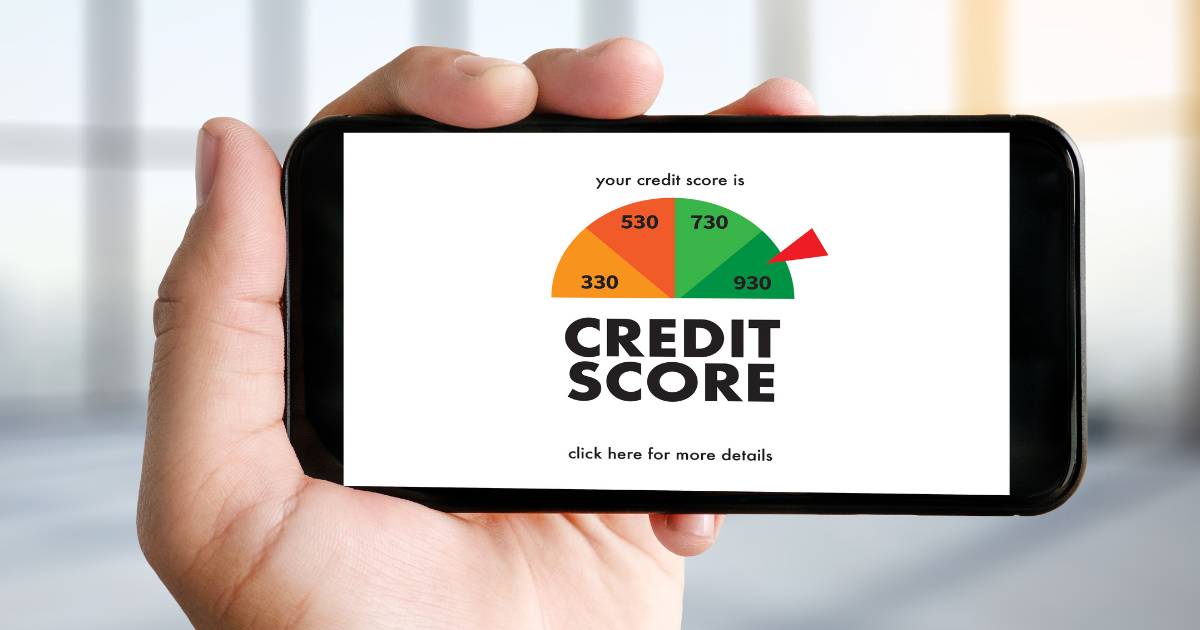
Credit bureaus like CIBIL, Experian, Equifax, and CRIF High Mark maintain your credit history based on data reported by banks and NBFCs. A credit score is a 3-digit number, usually in the 300–900 range, that summarizes your credit behaviour.
Broadly:
- 750 and above: Generally considered good to excellent
- 650–749: Average; may get loans, but at higher rates or with conditions
- Below 650: Weak; may face rejections or very expensive credit
Each bureau has its own model, but the underlying principles are similar.
What Factors Affect Your Credit Score?
While exact formulas are proprietary, typical factors include:
- Payment history: Whether you pay EMIs and credit card bills on time
- Credit utilization: How much of your available credit limit you regularly use
- Length of credit history: How long you’ve had active credit accounts
- Type and mix of credit: Balance between secured (home/car) and unsecured (cards/personal loans)
- Recent inquiries/new credit: How many new loans/credit cards you’ve applied for recently
Let’s break these down into practical actions.
Habit 1: Never Miss a Due Date
This is the single most important factor. Even one 30/60/90-day late payment can drag down your score for months or years.
- Set up auto-debit for EMIs and credit cards from a well-funded account
- Keep a monthly calendar of due dates if you prefer manual payments
- If you ever expect difficulty, contact the lender early to see if any restructuring options exist, rather than simply defaulting
Habit 2: Control Your Credit Utilization
Credit utilization is:
> Total credit used / Total credit limit
Example:
- Card limit: ₹2,00,000
- Typical monthly usage: ₹1,60,000 (even if you pay in full)
- Utilization = 80% – this can hurt your score
Better:
- Aim to keep utilization below 30–40% of total limits
- If you regularly spend more, consider:
- Requesting a higher limit (and still using it responsibly), or
- Splitting spending across multiple cards while staying disciplined
Habit 3: Build a Clean, Long-Term Credit History
Scores reward consistency over time. You don’t need many loans, but:
- Having one or two well-managed credit lines (like a long-standing card and a home loan) helps more than having no history at all
- Avoid closing your oldest credit card if it has no issues – it anchors your credit history length
Habit 4: Be Careful with New Credit Inquiries
Every time you apply for a loan or card, lenders may run a hard inquiry. Many such inquiries in a short period can signal credit hunger.
Practical tips:
- Don’t apply to multiple lenders at once in a scattered way
- Research and shortlist 1–2 likely lenders first
- Use soft-check or pre-approved offers where possible
How to Repair a Weak Credit Score (6–24 Month Plan)
If your score is low:
- Get Your Credit Report:
- Obtain a full report from at least one bureau (CIBIL/Experian). Many banks and fintech apps allow free views.
- Identify Problem Areas:
- Are there late payments or defaults?
- Is utilization always very high?
- Are there accounts you don’t recognize?
- Fix Obvious Errors:
- If any account is not yours or amounts are wrong, raise a dispute with the bureau and the lender.
- Provide documentation (emails, statements) to support your claim.
- Normalize Current Behaviour:
- Pay all ongoing EMIs and card bills on time for at least 6–12 months
- Bring credit utilization down by repaying outstanding card balances or consolidating sensibly into a lower-cost loan
- Avoid New Unnecessary Credit:
- While repairing, avoid taking fresh personal loans or extra cards unless absolutely necessary
Over 6–24 months, consistent good behaviour can materially improve your score.
Using a Good Credit Score for Better Deals
Once your score is strong:
- Negotiate better home loan rates or ask your bank to link you to current card rates (as covered in your home loan interest rate guide)
- Use your score to:
- Get fee waivers
- Secure higher limits that you use responsibly
- Access pre-approved offers at lower rates
But remember – the point is not to borrow more because you can; it is to borrow more cheaply when you genuinely need to.
Final Thoughts
Your credit score is not a moral judgment – it’s a data-driven reflection of how you’ve handled credit so far. The good news is that you can change the story over time with deliberate action.
If you focus on paying on time, keeping utilization under control, and avoiding unnecessary new credit, your score will almost always improve. Combine that with occasional checks of your credit report, and you’ll be in a strong position the next time you need a major loan.
Disclaimer: Each bureau’s scoring model is proprietary and can change over time. The behaviours outlined here are based on widely observed patterns and are meant as general guidance. Always read your specific credit report carefully and consult with a professional if you find significant errors or legal issues.